Buying guide: Stamp duty
Stamp Duty for Second-Time Buyers: Do Home Movers Pay More? (2026)
Last updated:
Type the full address with its postcode to go straight to your report options. Try .
- 65+ official sources
- Emailed within 24 hours, usually faster
- Sources and coverage gaps named
- One-off payment, no subscription
What the report looks like inside
See the full sample →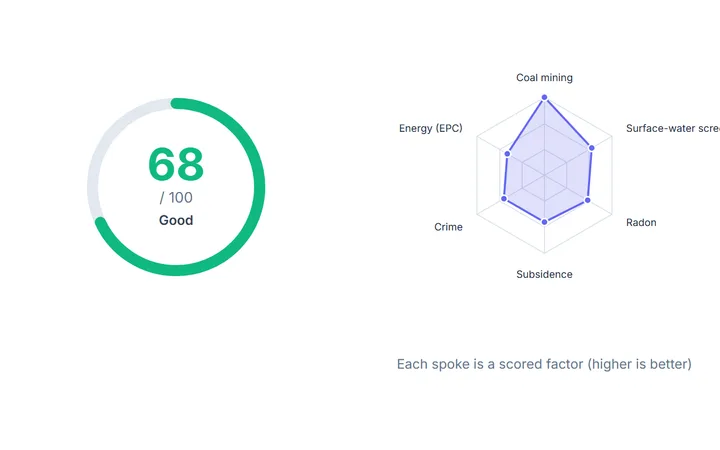 IQ Score and the factors behind it
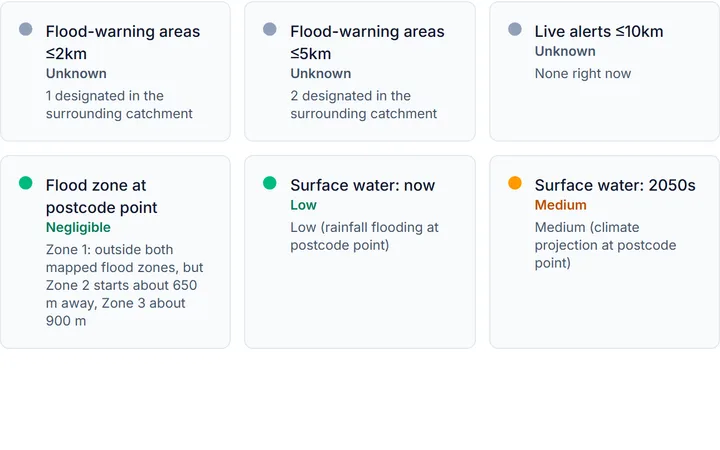 Flood risk at the postcode point
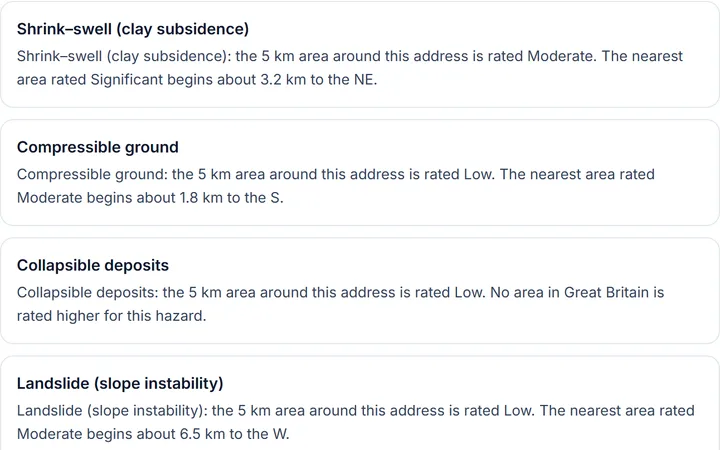 Six ground hazards, rated for the area
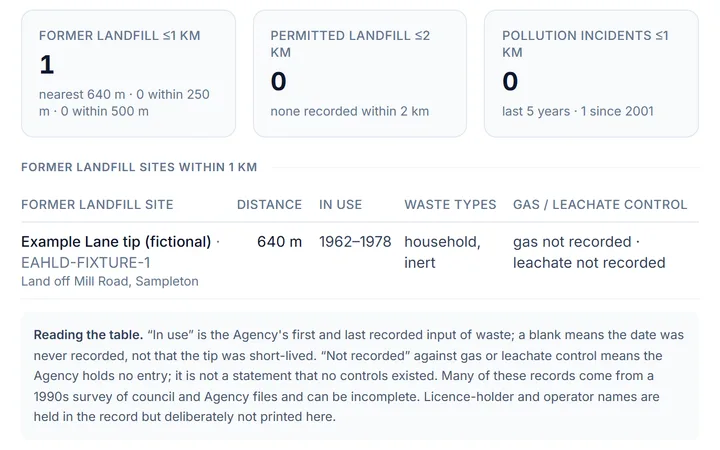 Landfill, permits and incidents nearby
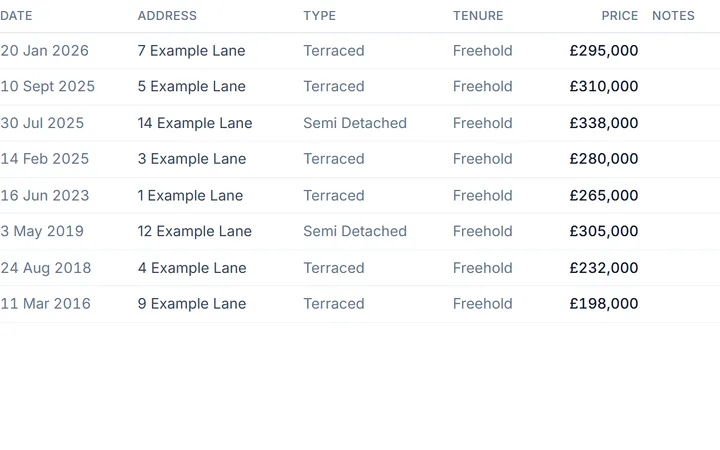 What homes here sold for
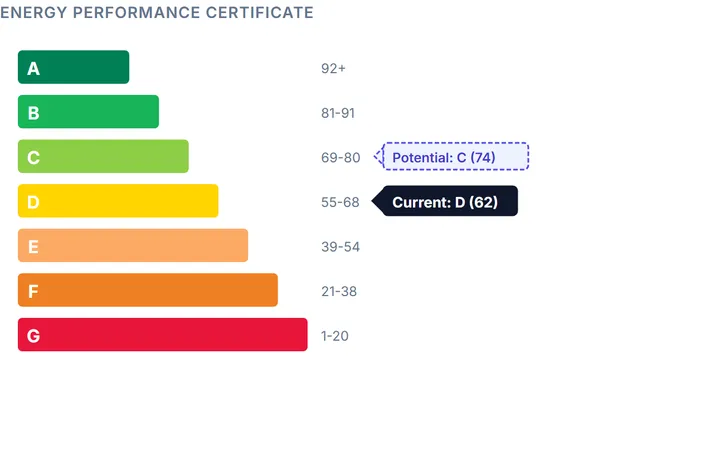 The energy rating, now and after upgrades
Illustrative sample · fictional address · cut from the sample report as it prints
Quick answer
No. Second-time buyers who are moving home pay the standard stamp duty rates, not more. If you're selling your current main home and buying another, you pay ordinary residential SDLT with no surcharge, because you're replacing your main residence. The extra 5% you may have heard about is the additional-property surcharge, which only applies if you're buying a second home or buy-to-let on top of one you keep, not to ordinary home movers. Second-time buyers also lose first-time buyer relief, so they pay from the standard threshold.
"Second-time buyer" vs "additional property": the key distinction
The confusion comes from two different ideas. A second-time buyer is simply someone buying their second (or later) home to live in: a home mover. An additional property is a property you buy while keeping another, such as a second home or a rental. Home movers pay standard rates; additional-property purchases pay standard rates plus the 5% surcharge. Being a second-time buyer does not, by itself, mean you pay more.
Do home movers pay the 5% surcharge?
No, provided you're replacing your only or main residence. If you complete your purchase before selling your old home, you may have to pay the surcharge up front and then reclaim it from HMRC once you sell the previous main home (within the allowed window). But if the sale and purchase complete together, no surcharge is due. Check the exact figure with our Stamp Duty Calculator, and toggle the additional-property option if you're keeping your old home. For a second home specifically, use the Second Home Stamp Duty Calculator.
Do second-time buyers lose first-time buyer relief?
Yes. First-time buyer relief is only available if you (and anyone you're buying with) have never owned a residential property before. Once you've owned a home, you buy at the standard rates on your next purchase. That's the one way a second-time buyer typically pays more than a first-timer on the same property: not through a surcharge, but through the loss of the relief.
Moving up the ladder? Check the next home properly
A bigger second home usually means a bigger stamp duty bill and a bigger commitment. HouseCheckup runs 15+ checks on the exact address from official sources (flood, planning, EPC, lease and more), so your move is on solid ground. £24.99 (Complete), one-off. Or price up the SDLT first.
Type the full address with its postcode to go straight to your report options. Try .
£24.99 one-off · no subscription · hand-checked by a person and emailed within 24 hours, usually faster.
Cancel for a full refund at any time before your report is emailed. Terms
Sources
How HouseCheckup works
From search to full report in three simple steps.
- England, Wales & Scotland
Search any address
Enter an address in England, Wales and Scotland. Coverage varies by nation and source.
- Before you pay
See the IQ Score
See an initial area risk screen where enough data is available, with the checks and coverage behind the score.
- Emailed within 24 hours
Get the full report
Choose Lite (£9.99) or Complete (£24.99). The report is emailed to you within 24 hours, usually faster, with every source named and any check it could not run stated.
Frequently asked questions
Do second-time buyers pay more stamp duty?
Does the 5% surcharge apply to home movers?
What's the difference between a second-time buyer and buying a second home?
Can I reclaim the stamp duty surcharge if I buy before I sell?
Still have a question? We typically respond within 24 hours.
Ready to check a property?
Enter the address you are thinking of buying. See the available area risk data, then choose an emailed report for the property.
Type the full address with its postcode to go straight to your report options. Try .
Reports from £9.99, one-off. Compare Lite and Complete
Cancel for a full refund at any time before your report is emailed. Terms
At a glance
One-off
No subscription
Pay once for each report you buy.
Named
Sources & coverage
Every report names its sources and the checks it could not run.
GB
England, Wales & Scotland
Coverage varies by nation and source, and is stated.
£9.99
Reports from
Lite £9.99, Complete £24.99.