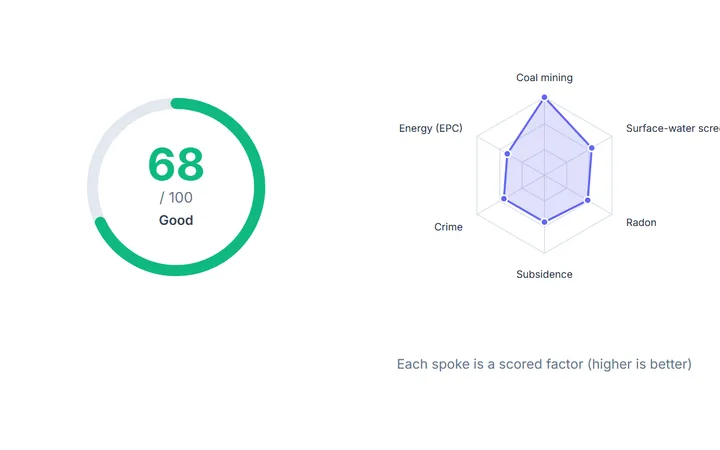
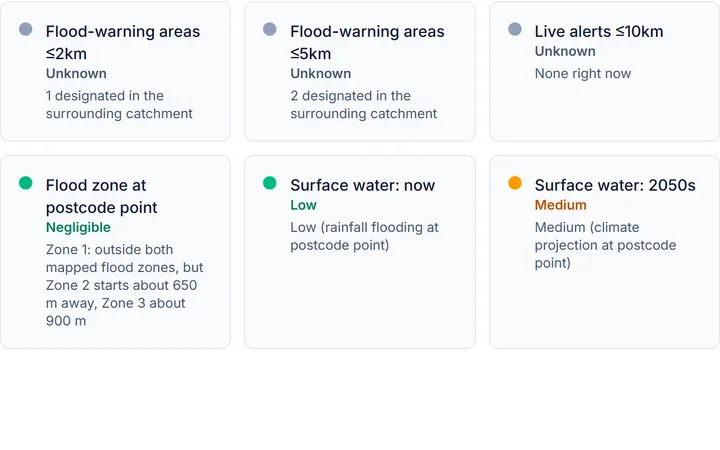
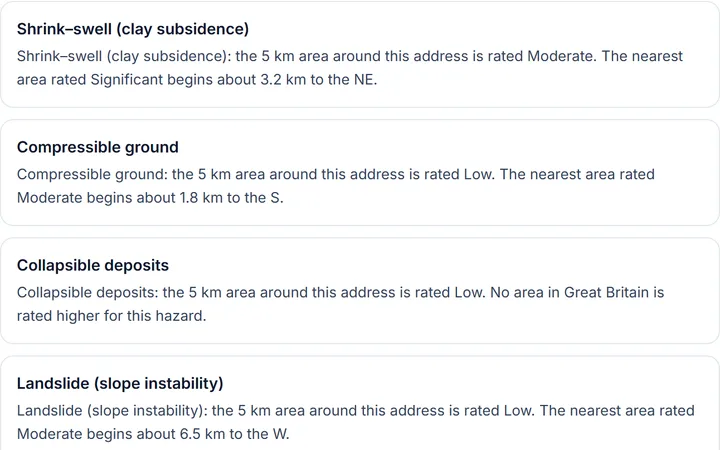
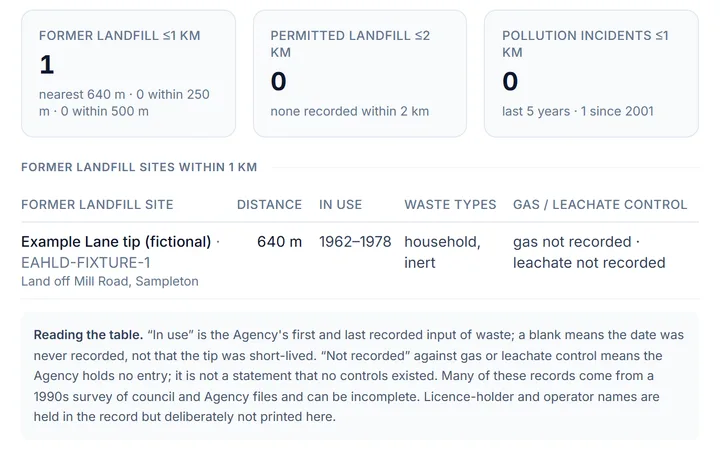
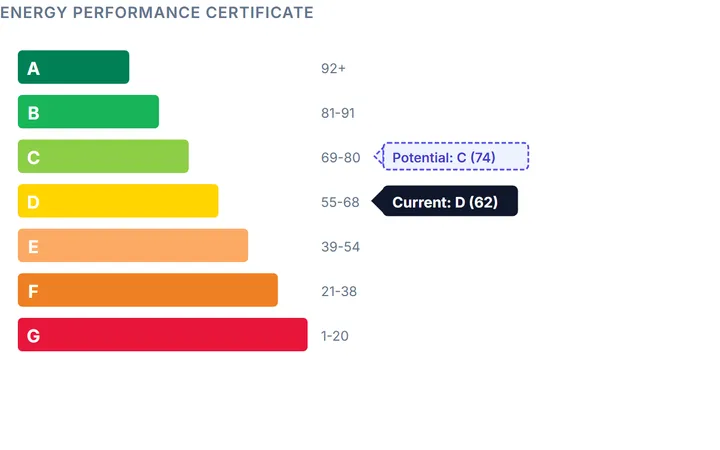
According to the English Housing Survey, an estimated 4–6% of UK homes (approximately 1.6 million properties) have significant damp problems that require attention. At HouseCheckup, our £24.99 property reports include property age, construction type, and EPC data that help buyers assess damp risk before viewing. Understanding the different types of damp, their causes, and the telltale signs helps you avoid buying a property with hidden moisture problems that could cost £5,000–£20,000 or more to resolve.
The Three Types of Damp
Damp in buildings falls into three distinct categories, each with different causes, symptoms, and solutions. Correctly identifying the type of damp is essential because the wrong treatment wastes money and may even make the problem worse.
1. Rising Damp
Rising damp occurs when moisture from the ground travels upward through the walls by capillary action. It affects ground-floor walls only and typically rises no higher than 1–1.5 metres above ground level. Signs include:
- A tide mark on the wall at a consistent height
- Peeling wallpaper or bubbling paint at the base of walls
- White salt deposits (efflorescence) on the wall surface
- Damp or rotting skirting boards
- A musty smell at ground level
Common causes: Failed or absent damp-proof course (DPC), bridged DPC (where external ground level has been raised above the DPC line), or failed tanking in basements.
Important note: Rising damp is significantly over-diagnosed. Research by heritage organisations suggests that many cases diagnosed as "rising damp" by damp-proofing companies are actually condensation or penetrating damp. Get an independent surveyor's opinion before agreeing to expensive rising damp treatment.
2. Penetrating Damp
Penetrating damp occurs when water enters the building from outside through the walls, roof, or around openings. Unlike rising damp, it can appear at any height and its position usually relates to a specific defect. Signs include:
- Damp patches that get worse in wet weather
- Staining or discolouration on walls or ceilings, often with a brownish tinge
- Damp patches around windows, doors, or chimney breasts
- Green or black mould growth on external walls
- Dripping or water running down walls during heavy rain
Common causes: Missing or damaged pointing, cracked render, defective guttering or downpipes, leaking roofs, failed window seals, and cracked or porous chimney stacks.
3. Condensation Damp
Condensation is by far the most common type of damp in UK homes, accounting for over 70% of all damp problems. It occurs when warm, moisture-laden air meets a cold surface: the moisture condenses into water droplets, creating damp conditions that promote mould growth. Signs include:
- Water droplets on windows (particularly in the morning)
- Black mould growth, especially in corners, behind furniture, and in poorly ventilated areas
- Musty smell throughout the property
- Damp patches on cold external walls (often behind wardrobes or beds)
- Peeling wallpaper in bathrooms and kitchens
Common causes: Poor ventilation (sealed-up airbricks, no extractor fans), insufficient heating, inadequate insulation (cold walls act as condensation surfaces), and high moisture production (drying clothes indoors, poor bathroom extraction).
Damp Red Flags When Viewing a Property
Some sellers try to disguise damp before viewings. Watch for these warning signs:
- Recently redecorated areas: Fresh paint or new wallpaper on isolated sections of wall may be covering damp stains
- Strong air freshener or scented candles: May be masking musty damp odours
- Furniture against external walls: Check behind large pieces of furniture, as damp and mould often hide there
- New skirting boards: Replaced skirting boards may indicate previous rising damp damage
- Stiff or swollen doors: Doors that stick or won't close properly may have absorbed moisture
- Peeling paint on windowsills: Indicates long-term condensation problems
- Rusty fixings: Nails, screws, and metal fittings that have rusted indicate persistent moisture
- Basement or cellar smell: Visit the lowest level of the property and sniff, because dampness is often most obvious here
Cost of Damp Treatment
| Treatment | Typical Cost | Suitable For |
|---|---|---|
| Damp-proof course injection | £2,500–£7,000 | Rising damp (whole house) |
| External repointing | £1,500–£5,000 | Penetrating damp through brickwork |
| Guttering/downpipe replacement | £500–£2,000 | Penetrating damp from defective rainwater goods |
| Roof repair | £500–£5,000 | Penetrating damp through roof |
| Positive input ventilation (PIV) | £500–£1,000 | Condensation dampness |
| Extractor fans (bathroom/kitchen) | £150–£400 each | Localised condensation |
| Tanking (basement waterproofing) | £3,000–£15,000 | Basement/cellar damp |
| Internal wall insulation | £5,000–£15,000 | Condensation on cold walls |
Damp and Property Value
Damp problems can reduce a property's value by 5–15% depending on the severity and type. More importantly, damp can make a property unmortgageable if the surveyor flags it as a significant issue in the valuation report. Lenders will often require evidence that damp has been treated before releasing mortgage funds, which can delay or derail a purchase.
Damp and Health
Damp and mould are not just property problems. They're health hazards. The World Health Organisation has linked indoor damp and mould to a 30–50% increase in respiratory problems, including asthma, bronchitis, and allergic reactions. Children, the elderly, and people with existing respiratory conditions are particularly vulnerable. Following the tragic case of Awaab Ishak in 2020, "Awaab's Law" now requires social landlords to address damp and mould within strict timeframes.
Check for Damp Risk Before You Buy
A HouseCheckup report for just £24.99 includes property construction type, age, EPC data, and energy efficiency information that helps you assess damp risk before even visiting a property. Properties with poor insulation, low EPC ratings, and certain construction types are more prone to damp issues. At £24.99, our report is an essential pre-viewing research tool, and if damp is a concern, always commission a full building survey (£400–£700) before proceeding to exchange.
Buying in this area? Check the exact property.
Complete (£24.99) brings available property records into a human-checked report. Flood and ground screening, crime, energy and sale-record context have different source and location limits. Postcode and regional data cannot establish the condition of a building; unanswered checks remain explicit.
Type the full address with its postcode to go straight to your report options. Try .
£24.99 one-off · no subscription · Human-checked and emailed to you. See a sample report · Review report options and coverage
Cancel for a full refund at any time before your report is emailed. Terms
Last updated: