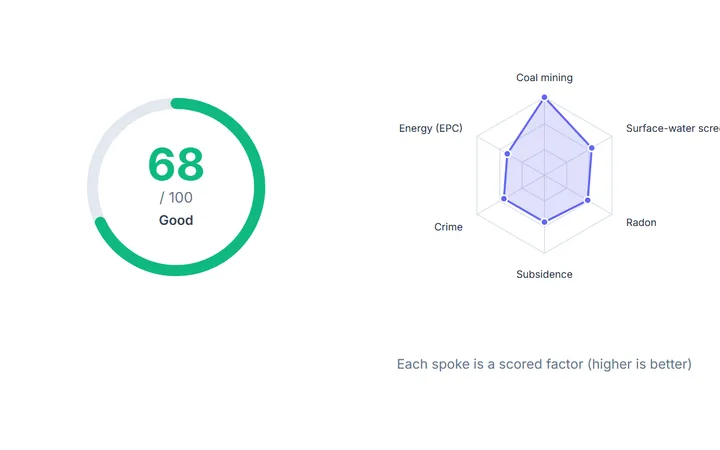
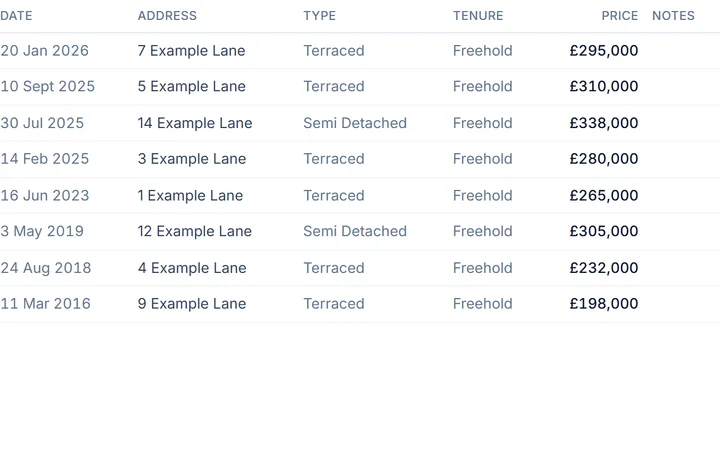
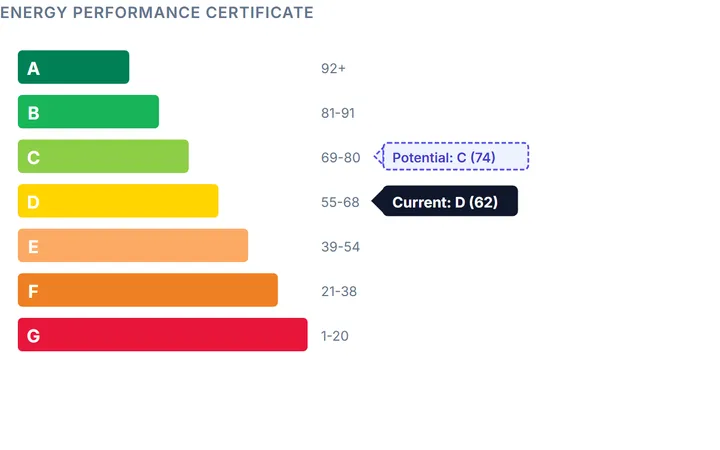
Approximately 1.8 million UK homeowners remortgage each year according to UK Finance, with many saving £200–£400 per month by switching from their lender's Standard Variable Rate (SVR) to a competitive new deal. At HouseCheckup, our £24.99 property reports provide up-to-date property valuations, comparable sales data, and EPC ratings that help homeowners present the strongest possible case when applying for a remortgage, because lenders base their offers on accurate property data.
What Is Remortgaging?
Remortgaging means replacing your current mortgage with a new one, either with the same lender (a product transfer) or a different lender. You're not buying a new property; you're simply restructuring the debt on your existing home. The most common reason is to get a better interest rate, but there are several other scenarios where remortgaging makes sense.
When Should You Remortgage?
1. Your Fixed Rate or Tracker Deal Is Ending
This is the most common trigger. When your initial deal period expires (typically after 2, 3, or 5 years), you'll be moved to your lender's Standard Variable Rate (SVR), which is usually 1.5–3% higher than the best available deals. On a £250,000 mortgage, switching from a 6.5% SVR to a 4.5% fixed rate saves approximately £285 per month.
2. Your Property Has Increased in Value
If your property has appreciated significantly, your loan-to-value (LTV) ratio has improved. This gives you access to better rates. Lenders offer their best deals to borrowers with lower LTVs:
| LTV Band | Typical Rate Premium vs 60% LTV |
|---|---|
| Up to 60% | Best rates (baseline) |
| 60–75% | +0.1–0.3% |
| 75–85% | +0.3–0.6% |
| 85–90% | +0.5–1.0% |
| 90–95% | +1.0–2.0% |
3. You Want to Release Equity
If your property has grown in value, you can borrow additional funds against the increased equity. Common reasons include home improvements, debt consolidation, or funding a deposit for a buy-to-let property. Be cautious: you're converting unsecured debt into debt secured against your home, increasing the risk if you can't keep up payments.
4. Interest Rates Have Fallen
If market rates have dropped significantly since you took out your current deal, remortgaging mid-term could save money even after paying early repayment charges (ERCs). Run the numbers carefully: the ERC must be less than the savings you'll make over the new deal period.
5. Your Circumstances Have Changed
Divorce, inheritance, changes in income, or wanting to switch from interest-only to repayment are all valid reasons to remortgage. Each situation requires different considerations, and a mortgage broker can help navigate the options.
The Remortgaging Process
- Research and compare deals: Start looking 3–6 months before your current deal expires. Use comparison tools or a mortgage broker to identify the best options for your circumstances
- Get a Decision in Principle (DIP): Most lenders will provide a DIP within minutes based on your income, outgoings, and property details. This doesn't affect your credit score if done as a soft search
- Full application: Submit proof of income, bank statements, ID, and property details. The lender will arrange a property valuation (often free for remortgages)
- Valuation: The lender values your property to confirm the LTV ratio. If the valuation is lower than expected, you may not get the rate you applied for
- Mortgage offer: If approved, the lender issues a formal offer. This typically takes 2–4 weeks from application
- Legal work: A solicitor or conveyancer (often provided free by the new lender) handles the legal transfer of the mortgage
- Completion: The new mortgage replaces the old one. The whole process typically takes 4–8 weeks
Costs of Remortgaging
| Cost | Typical Amount | Notes |
|---|---|---|
| Arrangement fee | £0–£2,000 | Can often be added to the mortgage balance |
| Valuation fee | £0–£500 | Often free for remortgages |
| Legal fees | £0–£500 | Often covered by the new lender |
| Early repayment charge | 1–5% of balance | Only if leaving current deal early |
| Exit fee (deeds release) | £50–£300 | Charged by your current lender |
| Broker fee | £0–£500 | Some brokers are fee-free (paid by lender) |
The Arrangement Fee Trap
Many of the lowest advertised mortgage rates come with large arrangement fees (£999–£1,999). Adding this fee to your mortgage balance means you pay interest on it for the entire mortgage term, significantly reducing the benefit of the lower rate. Always calculate the total cost of the deal (rate plus fees) over the deal period, not just the headline rate.
Product Transfer vs Remortgage
A product transfer is when you switch to a new deal with your existing lender without going through a full application. The advantages are speed (often completed in days), no legal fees, and no valuation required. The disadvantage is that your current lender may not offer the most competitive rate, because they have less incentive to compete since switching involves effort. Always compare your current lender's product transfer rate against the wider market before deciding.
When Not to Remortgage
- High early repayment charges: If your ERC exceeds the savings from a better rate, wait until the penalty period ends
- Changed circumstances reducing affordability: If your income has dropped or debts have increased, you may not pass affordability checks with a new lender
- Negative equity: If your property is worth less than your mortgage balance, most lenders won't accept a remortgage
- Small remaining balance: If your mortgage is below £25,000–50,000, the arrangement fees and hassle may not justify the switch
Get Accurate Property Data for Your Remortgage
A HouseCheckup report for just £24.99 provides up-to-date HM Land Registry sold-price history, comparable sales data, and EPC rating, all useful when preparing a remortgage application. Knowing your property's current value helps you calculate your LTV ratio and target the right rate band. At £24.99, it's an inexpensive way to go into remortgage discussions armed with data rather than guesswork.
Buying in this area? Check the exact property.
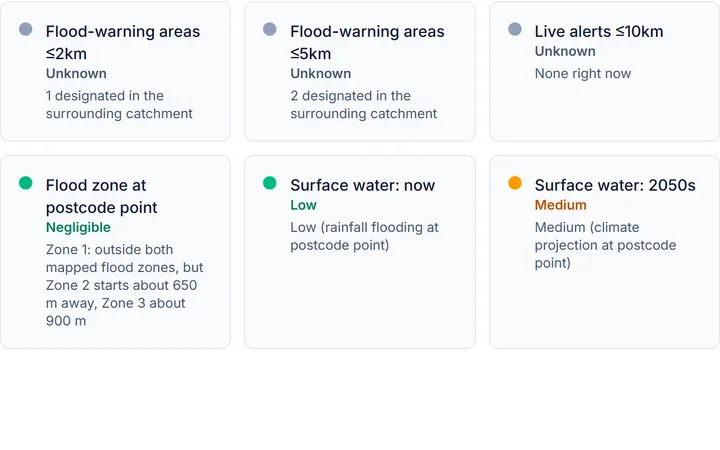
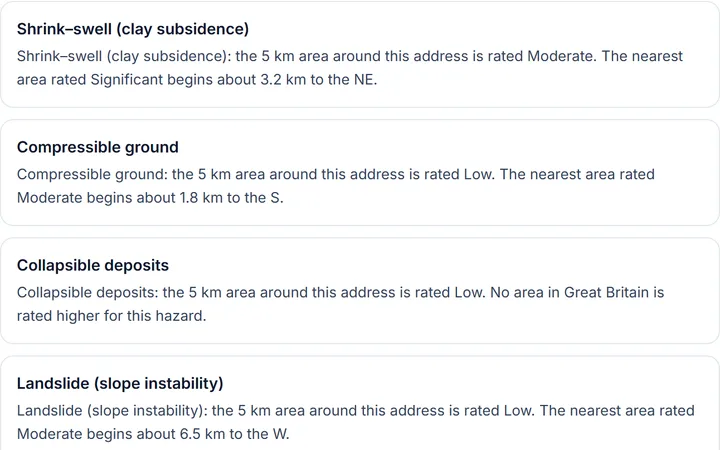
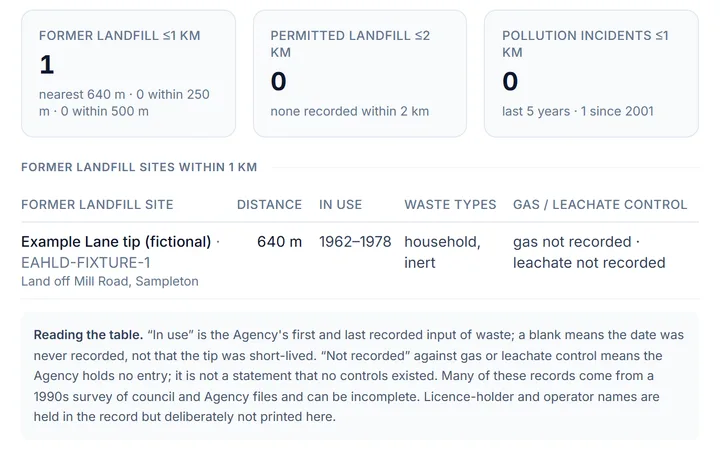
Complete (£24.99) brings available property records into a human-checked report. Flood and ground screening, crime, energy and sale-record context have different source and location limits. Postcode and regional data cannot establish the condition of a building; unanswered checks remain explicit.
Type the full address with its postcode to go straight to your report options. Try .
£24.99 one-off · no subscription · Human-checked and emailed to you. See a sample report · Review report options and coverage
Cancel for a full refund at any time before your report is emailed. Terms
Last updated: