Buying guide: Surveys
Mortgage Valuation vs Survey: Cost and What Each Actually Checks (2026)
Last updated:
Type the full address with its postcode to go straight to your report options. Try .
- 65+ official sources
- Emailed within 24 hours, usually faster
- Sources and coverage gaps named
- One-off payment, no subscription
What the report looks like inside
See the full sample →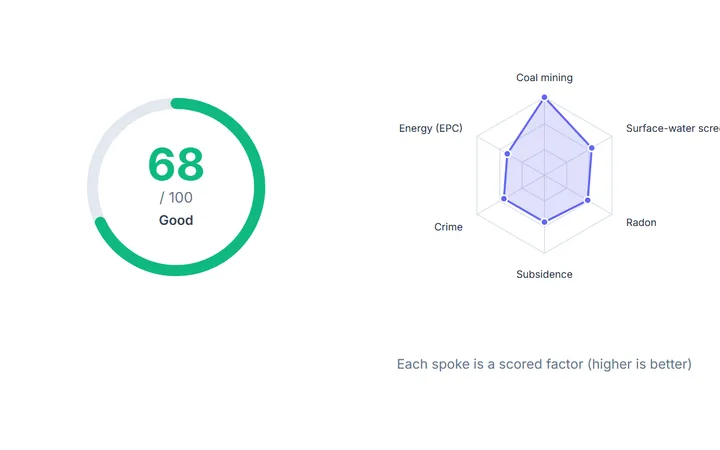 IQ Score and the factors behind it
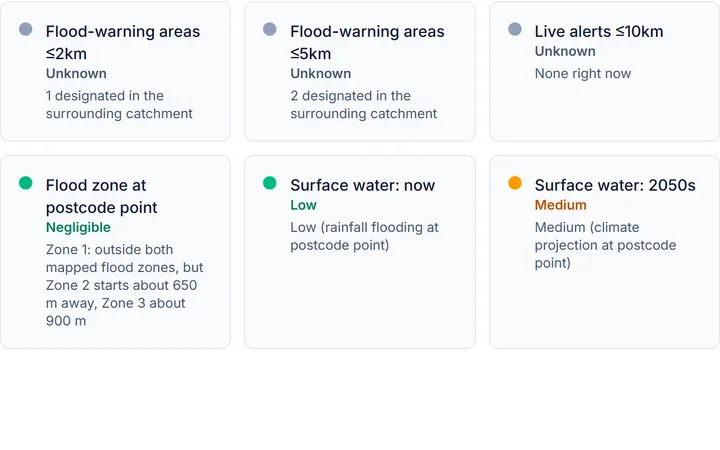 Flood risk at the postcode point
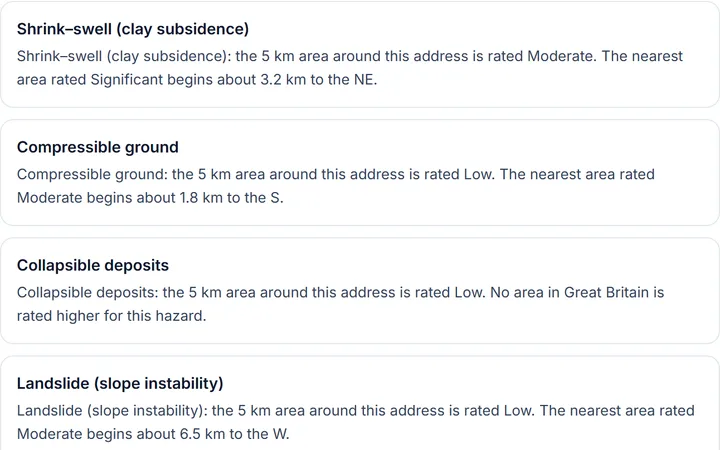 Six ground hazards, rated for the area
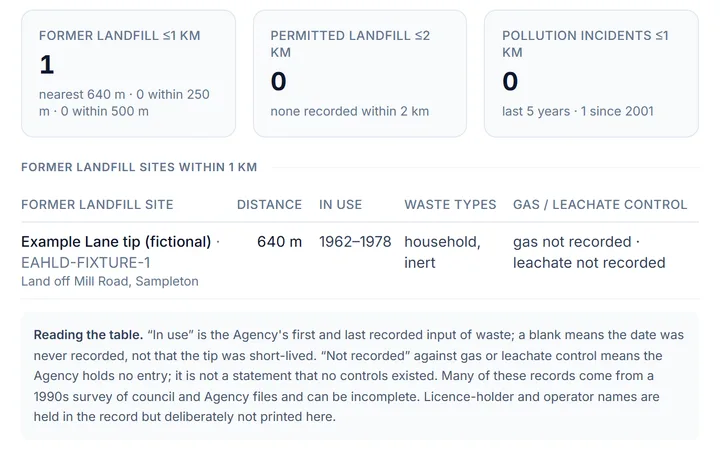 Landfill, permits and incidents nearby
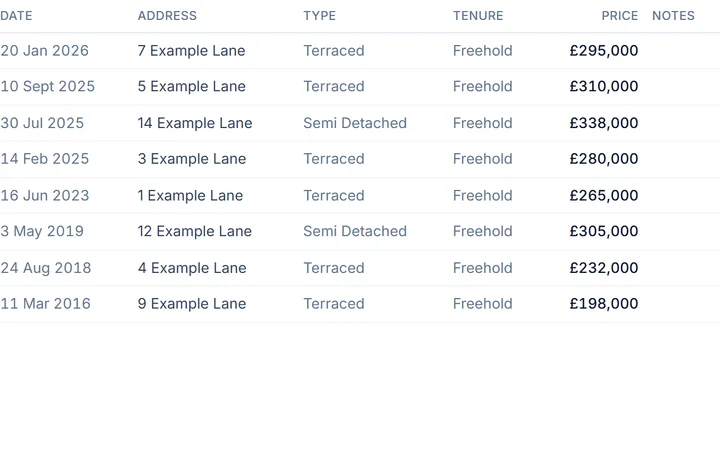 What homes here sold for
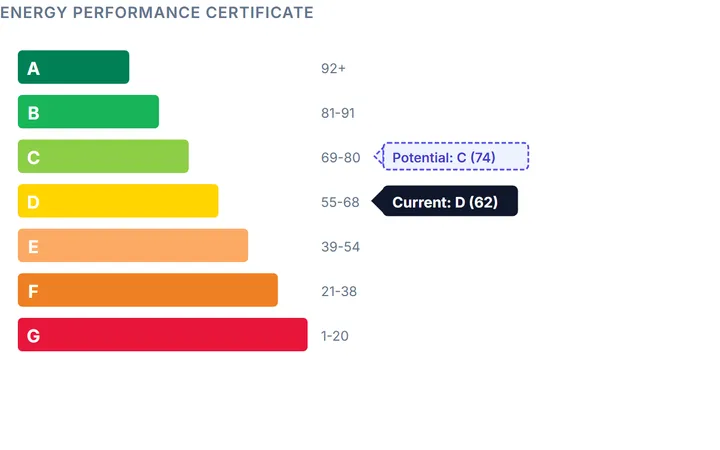 The energy rating, now and after upgrades
Illustrative sample · fictional address · cut from the sample report as it prints
Quick answer
A mortgage valuation is done for the lender to confirm the property is worth what they're lending. It often costs £0–£300+ and is not a survey of condition for your benefit. A survey (RICS Level 2 or 3, £400–£1,500+) is done for you and assesses the condition of the property, flagging defects. They do different jobs, so a valuation is never a substitute for a survey, and many buyers pay for both.
Mortgage valuation vs survey: side by side
| Mortgage valuation | Survey (Level 2 / 3) | |
|---|---|---|
| Who it's for | The lender | You, the buyer |
| Purpose | Confirm the property is adequate loan security | Assess condition and flag defects |
| Typical cost (2026) | £0–£300+ (often free with the deal) | £400–£1,500+ by level & property |
| Depth | Brief; sometimes a desktop/drive-by check | Detailed inspection of accessible parts |
| Reports defects to you? | No | Yes |
| Can you rely on it? | No, not a condition survey | Yes, that's its job |
Cost figures are third-party market ranges (HomeOwners Alliance, July 2026), not HouseCheckup quotes.
What does a mortgage valuation actually check?
A mortgage valuation is a short check carried out for the lender. The valuer confirms the property exists, is broadly what the application says, and is worth enough to secure the loan. It may be a physical visit, a drive-by, or an automated (desktop) valuation. It is not for your benefit and won't list defects, even though you often pay for it. A “down valuation” (where the valuer values below the agreed price) can affect your mortgage, but that's about lending risk, not property condition.
Do I need a survey as well as a valuation?
In almost all cases, yes. The valuation tells the lender the property is worth lending against; it tells you nothing about damp, the roof, the wiring or structural movement. To understand what you're buying you need a survey: a Level 2 HomeBuyer Report for a conventional home or a Level 3 building survey for an older or unusual one. See which level you need.
Where does a desktop property check fit in?
Before either a valuation or a survey, you can check the records that neither covers (flood risk, coal mining, planning, lease and EPC) on the exact address. It's the cheapest first step and tells you whether the property is worth taking to survey at all.
The check that comes before the valuation and the survey
A valuation protects the lender and a survey inspects the building, but neither checks flood history, coal mining, planning, the lease or the EPC. HouseCheckup runs 15+ checks on the exact address from official sources so you can decide before you spend on anything else. £24.99 (Complete), one-off.
Type the full address with its postcode to go straight to your report options. Try .
£24.99 one-off · no subscription · hand-checked by a person and emailed within 24 hours, usually faster.
Cancel for a full refund at any time before your report is emailed. Terms
Sources
- Mortgage valuations vs surveys: buyer guidance, HomeOwners Alliance
- RICS Home Survey Standard: survey levels, Royal Institution of Chartered Surveyors (RICS)
How HouseCheckup works
From search to full report in three simple steps.
- England, Wales & Scotland
Search any address
Enter an address in England, Wales and Scotland. Coverage varies by nation and source.
- Before you pay
See the IQ Score
See an initial area risk screen where enough data is available, with the checks and coverage behind the score.
- Emailed within 24 hours
Get the full report
Choose Lite (£9.99) or Complete (£24.99). The report is emailed to you within 24 hours, usually faster, with every source named and any check it could not run stated.
Frequently asked questions
What is the difference between a mortgage valuation and a survey?
Do I need a survey if the lender has done a valuation?
How much does a mortgage valuation cost in 2026?
Is a valuation the same as a survey?
Still have a question? We typically respond within 24 hours.
Ready to check a property?
Enter the address you are thinking of buying. See the available area risk data, then choose an emailed report for the property.
Type the full address with its postcode to go straight to your report options. Try .
Reports from £9.99, one-off. Compare Lite and Complete
Cancel for a full refund at any time before your report is emailed. Terms
At a glance
One-off
No subscription
Pay once for each report you buy.
Named
Sources & coverage
Every report names its sources and the checks it could not run.
GB
England, Wales & Scotland
Coverage varies by nation and source, and is stated.
£9.99
Reports from
Lite £9.99, Complete £24.99.